
Ultimate Guide to Buying Condenser Microphones in 2024
Introduction
Condenser microphones are essential tools for capturing high-quality audio, favored by podcasters, musicians, and voice-over artists alike. Choosing the right one can significantly elevate your recordings, ensuring every nuance is captured in crystal clarity. This guide will lead you through the top condenser microphones available in 2024, highlight key features to consider, and offer practical tips to help you make an informed purchase.
Understanding Condenser Microphones
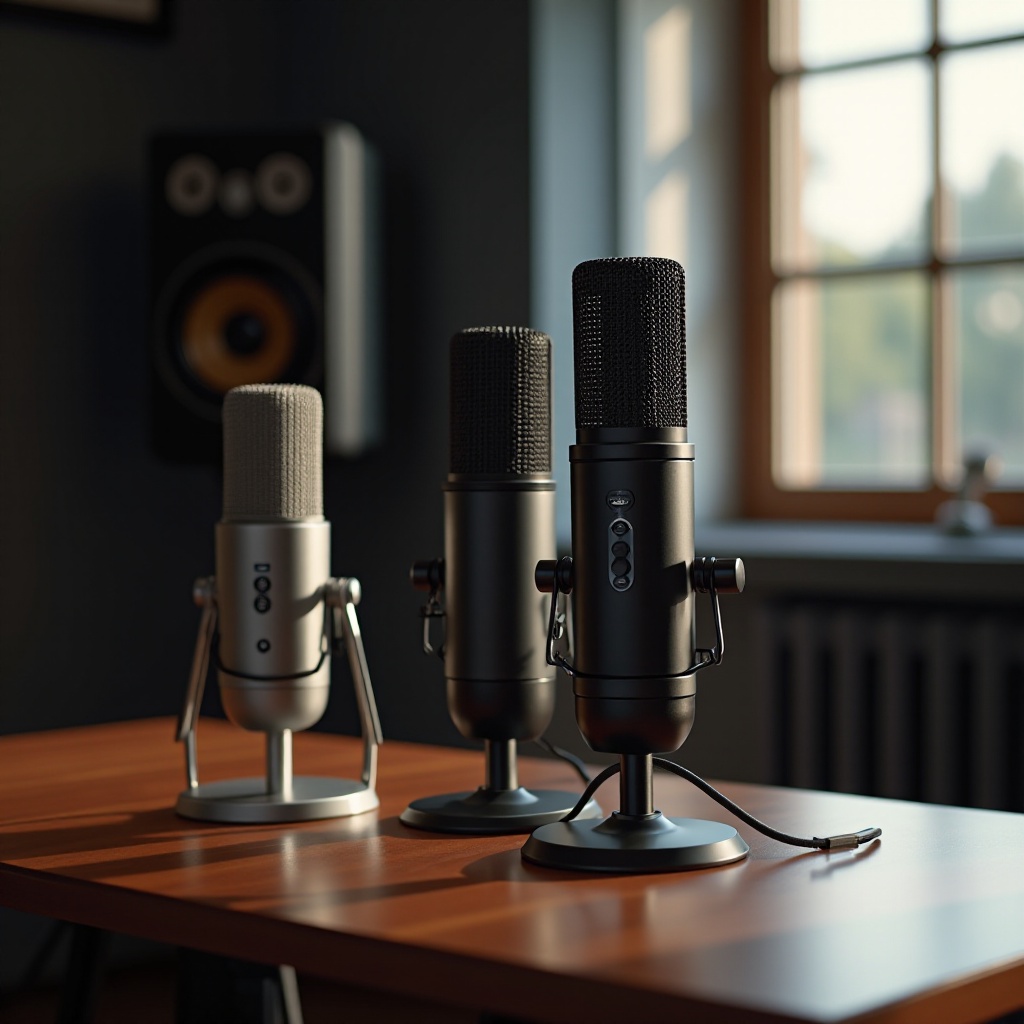
Condenser microphones excel in studio environments thanks to their superior sensitivity and ability to capture subtle audio details. Unlike dynamic microphones, condensers use a capacitor to convert sound waves into electrical signals. This process provides a wide frequency response and enhanced sensitivity, making them ideal for recording vocals and acoustic instruments.
Understanding the nuances of how condenser microphones function and their specific applications can aid significantly in your selection process. With this foundation in place, the next logical step is exploring the features that differentiate these microphones to ensure you select the best one for your needs.
Key Features to Consider
Several features should guide your choice of a condenser microphone:
-
Frequency Response: Ensure the microphone covers the necessary frequency range for your recordings. Vocals usually require a range from 80 Hz to 15 kHz, while instruments may need a broader range to capture more nuances.
-
Polar Patterns: Consider the polar pattern—cardioid for focusing on single sources, omnidirectional for capturing ambient sound, or figure-8 for dual-source applications.
-
Connectivity Options: Determine whether you need a USB connection for simplicity or XLR for professional setups. Matching the mic’s connectivity with your equipment helps avoid compatibility issues.
With these features in mind, it’s time to explore various condenser mic models that fit different budgets, ensuring there’s an option for everyone without sacrificing quality.
Top Condenser Microphones for Every Budget
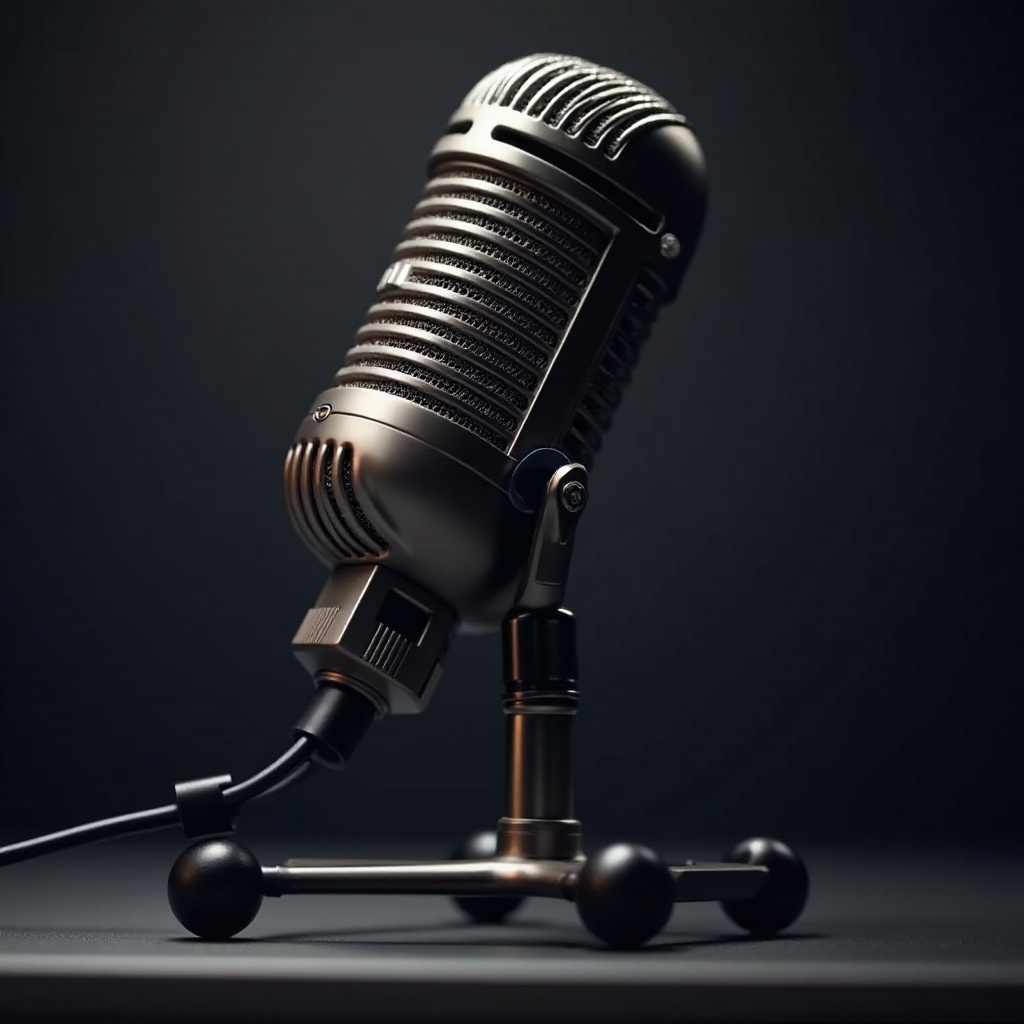
Picking the right condenser microphone is about balancing quality with cost:
- Budget-Friendly Picks:
- Audio-Technica AT2020: Known for its affordability and impressive sound quality, it’s perfect for beginners.
-
Behringer C-1: Offers a great start with decent sound-catching capabilities at a low price.
-
Mid-Range Selections:
- Rode NT1-A: Celebrated for its low self-noise and warm sound, it has become a home studio favorite.
-
AKG C214: Provides professional-grade audio with its large diaphragm for natural acoustics.
-
High-End Professional Choices:
- Neumann TLM 103: Esteemed for studio-quality sound, delivering pristine audio experiences.
- Audio-Technica AT4053B: Offers excellent off-axis rejection, ideal for dialogue and voiceover tasks.
Once you’ve balanced costs and quality, it’s advisable to consider the context of your recordings and your specific needs to bring out the full potential of your chosen microphone, which we’ll delve into next.
Tips for Choosing the Right Microphone for Your Needs
To choose the right microphone, you must consider both your immediate needs and broader recording goals:
- Define Your Purpose: Identify whether you’re recording vocals, instruments, or podcasts; each has different requirements.
- Evaluate Your Environment: The acoustics of your recording space can influence your choice significantly.
- Assess Experience Level: Beginners may benefit from simpler models with fewer setup requirements, whereas experienced users might prefer advanced features for enhanced control.
Considering these factors helps ensure you select a microphone that elevates your recording quality, fitting naturally into your creative process. Ensuring longevity and optimal performance will be your next priority, which we’ll address through proper maintenance practices.
How to Maintain Your Condenser Microphone
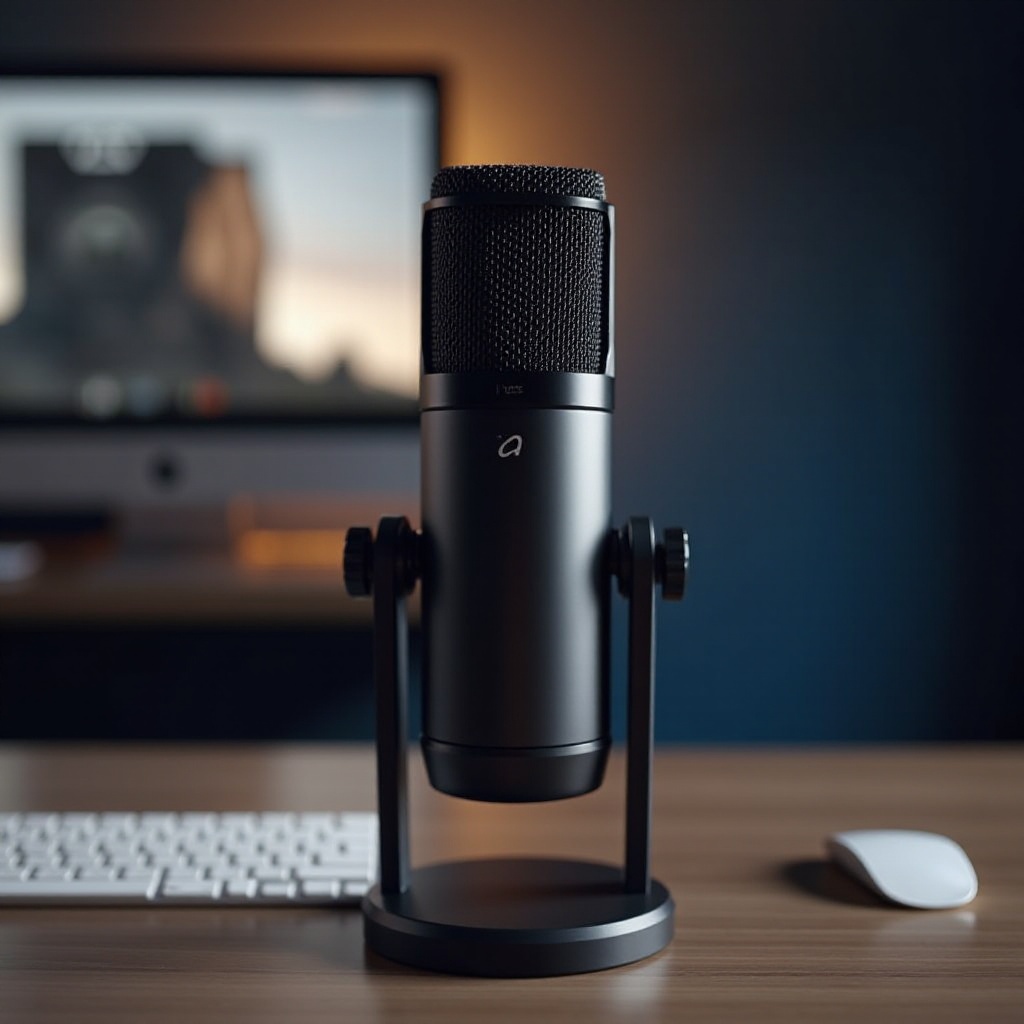
Proper care and maintenance are crucial for extending the lifespan and performance of your condenser microphone:
- Store Properly: Use a protective case and store in a dry environment to prevent moisture and dust damage.
- Handle with Care: Avoid tapping or dropping the mic and handle it using the stand or shock mount.
- Clean Gently: Use a soft, dry cloth for cleaning. Avoid liquids and harsh chemicals that might damage the mic.
With proper maintenance, your microphone will continue to deliver exceptional audio recordings. To further optimize your recording setup, consider using appropriate accessories to enhance overall sound quality.
Additional Accessories to Enhance Your Setup
Include the right accessories alongside your condenser mic for a complete, professional setup:
- Pop Filters: They help minimize plosive noises during vocal recordings.
- Shock Mounts: Provide stability and minimize handling noise for clearer sound.
- Mic Stands: Offer flexible positioning and stability during recordings.
By incorporating these accessories, you can truly refine your recording quality, paving the way for fantastically polished audio output. In closing, making the right choice in microphones, understanding maintenance principles and leveraging accessories will enrich your creative audio endeavors dramatically.
Conclusion
The journey to selecting the best condenser microphone involves careful consideration of features, budget, and specific recording needs. With this guide, you’re equipped with the knowledge needed to make a sound investment, enhancing the quality of your recordings. Remember to maintain your mic and use accessories to achieve professional audio results.
Frequently Asked Questions
What is the difference between condenser and dynamic microphones?
Condenser mics offer high sensitivity for detailed audio, making them ideal for studios, while dynamic mics are durable and handle high sound levels well, perfect for live events.
How do I know which polar pattern is right for me?
Choose based on your recording needs: cardioid is great for single source, omnidirectional for group recordings, and figure-8 for dual sources such as interviews.
What accessories are essential for condenser microphones?
Essential accessories include pop filters for minimizing plosives, shock mounts for reducing handling noise, and mic stands for positioning stability.